

Doctors For PCOS
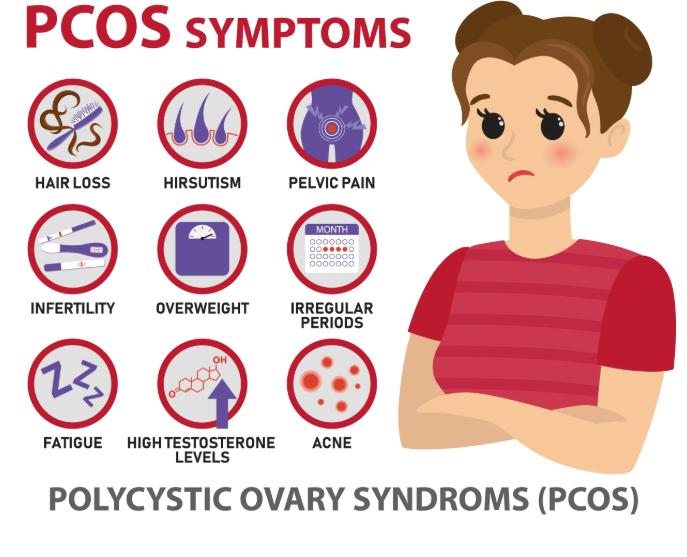
Polycystic Ovary Syndrome (PCOS) is a common endocrine and metabolic disorder affecting individuals of reproductive age, driven primarily by hormonal imbalances and insulin resistance.
Diagnostic Criteria (Rotterdam Criteria)
A diagnosis generally requires meeting at least two of the following three features:
Irregular or Absent Periods: Infrequent, unpredictable, or prolonged menstrual cycles due to irregular ovulation (anovulation).
High Androgen Levels: Physical or clinical signs of elevated “male” hormones (testosterone), such as excess body hair or persistent acne.
Polycystic Ovaries: Ultrasound showing enlarged ovaries containing multiple small follicles (fluid-filled sacs housing immature eggs).
Key Symptoms & Effects
Hormonal & Skin: Hirsutism (excess facial and body hair), stubborn hormonal acne (especially along the jawline), and androgenic hair thinning on the scalp.
Metabolic: Insulin resistance, weight gain or difficulty losing weight, fatigue, and dark patches of skin in folds/creases (acanthosis nigricans).
Reproductive: Challenges with fertility due to non-ovulatory cycles.
Primary Drivers
Insulin Resistance: Up to 70% of people with PCOS have cells that don’t respond effectively to insulin. The pancreas compensates by making more insulin, which prompts the ovaries to overproduce testosterones.
Low-Grade Inflammation: Stimulates polycystic ovaries to produce androgens and contributes to long-term cardiovascular risks.
Hormonal Imbalance: An altered ratio of Luteinizing Hormone (LH) to Follicle-Stimulating Hormone (FSH) prevents eggs from maturing fully.
Management Approaches
Lifestyle Adjustments: Low-glycemic nutrition, resistance training, consistent sleep, and stress management directly reduce insulin resistance.
Cycle & Androgen Control: Combination oral contraceptives, anti-androgens (like spironolactone), or targeted supplements (e.g., Inositol).
Metabolic Support: Insulin-sensitizing medications like Metformin.
Fertility Care: Ovulation-induction medications (such as Letrozole) when attempting conception.